Current condition
Label each sample with its material, production condition, visible feature and expected judgement. Retain the reference and record who agreed it so an apparent trial error can be reviewed against the same acceptance boundary.
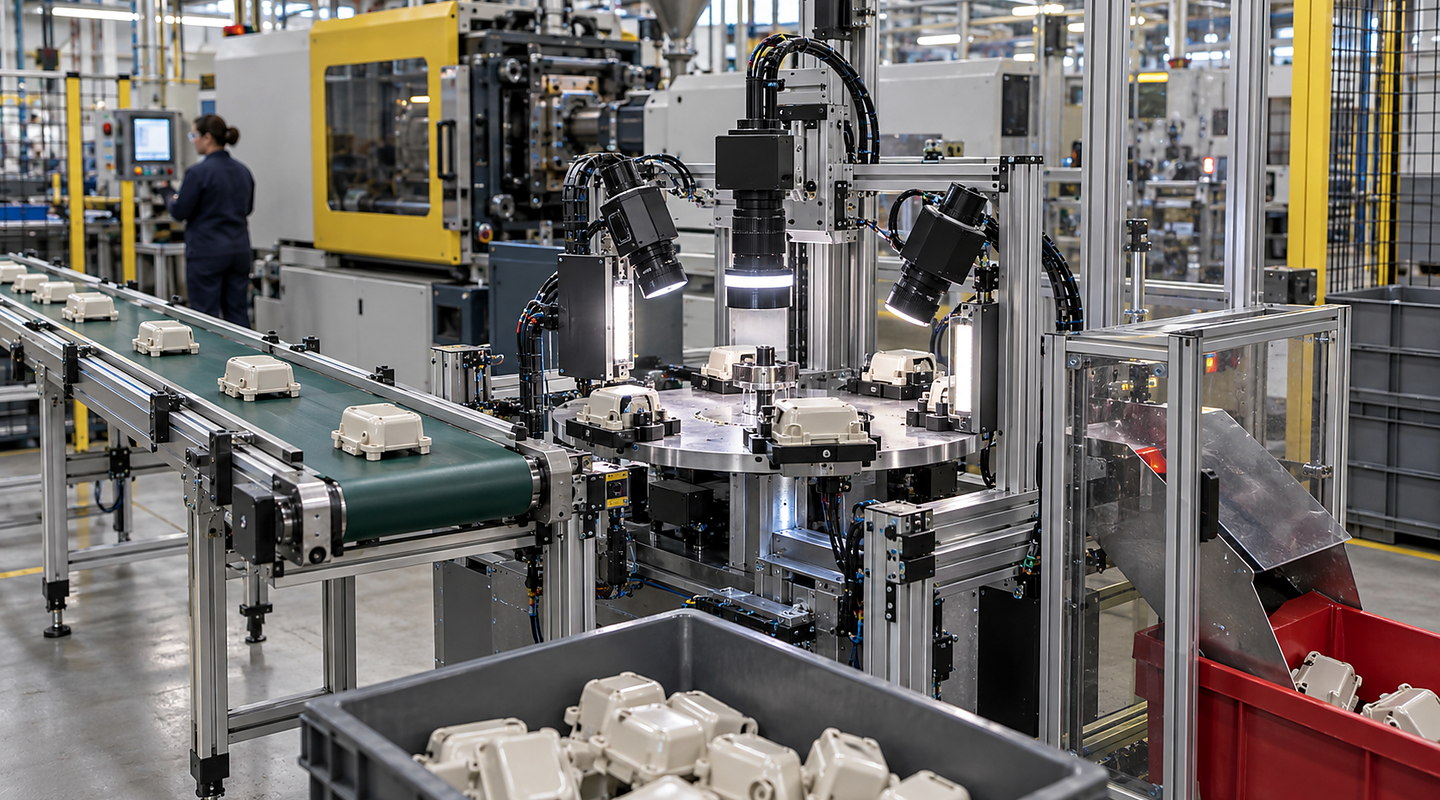
What decisions about good, bad and marginal sample range materially change the system concept for continuous roll fed material inspection?
A useful web-inspection sample set includes acceptable material across its normal variation, known unacceptable conditions and marginal examples near the decision boundary. Each sample needs an agreed judgement and enough production context to interpret the optical trial.
Include printed regions, splices and the relevant material range, then test presentation and timing under the intended operating conditions. Link the samples to the agreed visible-defect definition.
Plan continuous roll fed material inspection around representative good, bad and marginal samples, line presentation, lighting, reject handling and challenge criteria. Discuss an optical feasibility trial with Oxford Vision Systems. Use this guide to resolve good, bad and marginal sample range before it limits the final system.
Discuss your application

Label each sample with its material, production condition, visible feature and expected judgement. Retain the reference and record who agreed it so an apparent trial error can be reviewed against the same acceptance boundary.
Cover normal good-material variation as well as obvious faults. Include marginal samples and credible differences in print, splice appearance and tension or presentation; record any missing parts of the range as limits of the trial.
Show which settings, safeguards, maintenance tasks, decisions or required outcomes are affected by changes in good, bad and marginal sample range.
For Good, Bad and Marginal Sample Range: Optics and lighting selection, describe the current position, required outcome, acceptable limits and known exceptions for visible defect or measurement definition for continuous roll-fed material inspection. That lets us compare options against your real production rather than one nominal value.
For Good, Bad and Marginal Sample Range: Optics and lighting selection, describe the current position, required outcome, acceptable limits and known exceptions for good, bad and marginal sample range. That lets us compare options against your real production rather than one nominal value.
For Good, Bad and Marginal Sample Range: Optics and lighting selection, describe the current position, required outcome, acceptable limits and known exceptions for part presentation and production speed. That lets us compare options against your real production rather than one nominal value.
For Good, Bad and Marginal Sample Range: Optics and lighting selection, describe the current position, required outcome, acceptable limits and known exceptions for optics, lighting and environmental conditions. That lets us compare options against your real production rather than one nominal value.
For Good, Bad and Marginal Sample Range: Optics and lighting selection, describe the current position, required outcome, acceptable limits and known exceptions for recipe, reject and line-control interfaces. That lets us compare options against your real production rather than one nominal value.
For Good, Bad and Marginal Sample Range: Optics and lighting selection, describe the current position, required outcome, acceptable limits and known exceptions for false-accept, false-reject and challenge criteria. That lets us compare options against your real production rather than one nominal value.